
Blue Passion Flower Vine (Passiflora caerulea) is a fast-growing ornamental climber admired for its striking blue-and-white flowers. However, many homeowners quickly discover that this vine can spread aggressively and become difficult to control. Once established, it can climb fences, walls, trees, and even roofs, covering large areas of your garden and competing with other plants for space and sunlight.
If left unmanaged, blue passion flower vine can quickly dominate outdoor spaces. The vine spreads through underground roots and seeds, meaning simple pruning often isn’t enough to stop it from returning. For homeowners looking to protect their garden and landscape, understanding the correct removal techniques is essential.
In this guide, we’ll explain how to remove blue passion flower vine permanently, why it keeps growing back, and when professional help may be the best option.
What Is Blue Passion Flower Vine?
Blue passion flower vine is a climbing plant known for its unique star-shaped flowers and rapid growth. Originally grown as an ornamental plant, it has become widespread in many regions due to its ability to grow quickly in warm climates.
Key characteristics include:
- Fast climbing growth habit
- Ability to spread through underground root systems
- Strong tendrils that attach to fences and structures
- Dense foliage that can smother other plants
Although the flowers are beautiful, the vine’s aggressive growth can quickly turn it into a garden problem.
Is Blue Passion Flower Vine Invasive?
In many regions, blue passion flower vine is considered highly invasive because it spreads rapidly and competes with surrounding plants. It can grow several metres in a single season and easily cover fences, trees, sheds, and walls.
Once established, the vine spreads through:
- Underground root runners
- Seeds produced by fruit
- New shoots emerging from cut stems
This means that simply trimming the plant rarely solves the problem. Without removing the root system, the vine often grows back stronger than before.
Why Blue Passion Flower Vine Is Difficult to Remove
Many homeowners try to remove passionflower vines by cutting them back or trimming the visible stems. Unfortunately, this usually leads to regrowth rather than permanent removal.
The plant is difficult to eliminate because of its resilient root system.
- Deep Root Structure: Blue passion flower vines develop extensive underground roots. Even small root fragments left in the soil can regenerate into new plants.
- Rapid Regrowth: After being cut, the plant often responds by producing multiple new shoots. This makes the vine appear even thicker than before.
- Climbing Tendrils: The vine attaches to structures using strong tendrils that wrap tightly around fences, trees, and trellises. Removing these tendrils can be time-consuming and sometimes damaging to surrounding plants.
Because of these factors, removing blue passion flower vine permanently usually requires a combination of techniques.
Signs Your Garden Has a Blue Passion Flower Vine Problem
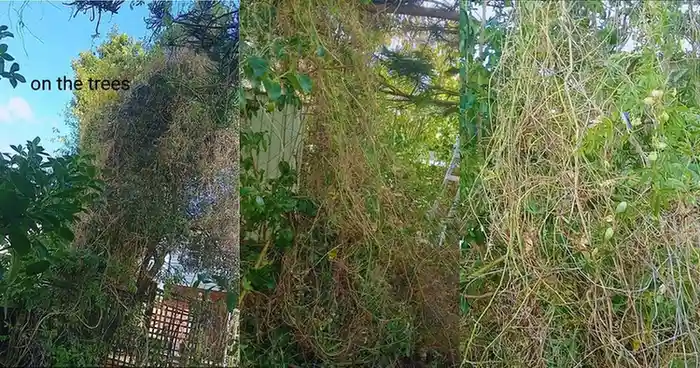
Many homeowners do not realize how quickly this plant spreads until it has already taken over large areas.
Common signs include:
- Vines growing rapidly across fences or walls
- Thick foliage covering garden beds
- New shoots appearing far from the original plant
- Trees or shrubs becoming covered with climbing vines
- Regrowth appearing soon after cutting the plant
If you notice these signs, it is important to act quickly before the vine spreads further.
How to Remove Blue Passion Flower Vine Safely
Removing blue passion flower vine requires patience and care, especially when the plant has wrapped tightly around structures.
Gently Remove the Vine
If the vine is loosely wrapped around a fence, trellis, or tree branch, you may be able to gently pull it away without damaging nearby plants or structures.
However, avoid pulling aggressively. When the vine is tightly attached, forcing it off can damage fences, bark, or other plants.
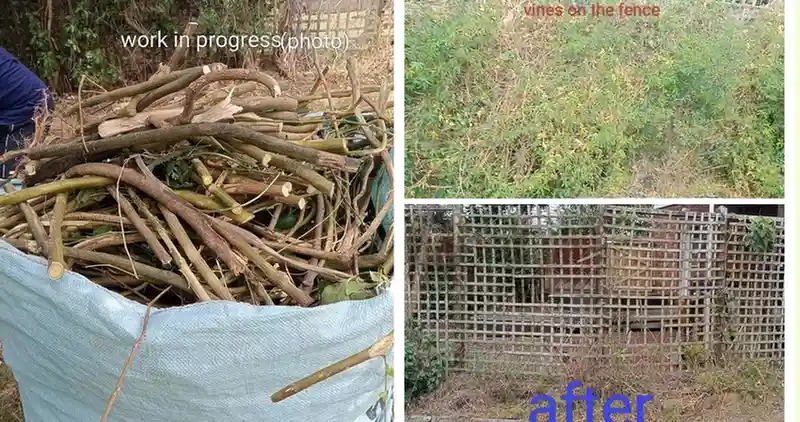
Instead, cut the vine into smaller sections using pruning shears or garden tools. Working in smaller pieces makes the removal process easier and safer.
Once cut, the vine pieces can be left to dry out. Keep it off soil (on concrete, tarp, or driveway) or put it in sealed bag before disposal. Allowing the plant material to dry reduces the chances of regrowth and makes handling easier.
Digging Out the Root System
Removing surface vines is only the first step. To stop the plant from returning, the root system must also be addressed.
To do this:
- Dig around the base of the vine
- Follow the roots through the soil
- Remove as many root fragments as possible
Because the roots can spread widely, this process may require digging across a larger area than expected.
Proper Disposal of Blue Passion Flower Vine
Disposal plays a crucial role in preventing the plant from spreading to other areas.
After cutting and collecting the vines:
- Place all vine pieces directly into garden waste bags.
- Avoid dragging loose plant material across the garden, as fragments may take root.
- Seal the bags before transporting them.
Once bagged, the plant material should be taken to a green waste disposal or garden waste facility.
Bagging the vines before transport is extremely important. Loose plant fragments can easily drop seeds or root pieces during handling, potentially spreading the plant to new locations.
Responsible disposal helps ensure the vine does not re-establish itself elsewhere.
When to Hire Professional Vine Removal Services
Large infestations of blue passion flower vine can be difficult to manage without professional equipment and experience.
You may want to consider professional removal if:
- The vine has spread across large areas
- It has climbed into trees or rooftops
- Roots have spread throughout garden beds
- The plant keeps growing back despite repeated attempts to remove it
Professional removal services use specialized techniques to eliminate both surface growth and underground roots.
Homeowners looking for reliable outdoor pest and plant management services often turn to experienced specialists like Healthy Spaces. Their team focuses on creating healthier environments by safely managing invasive plants and pests while protecting surrounding landscapes.
With the right approach and expertise, invasive vines like blue passion flower can be removed more efficiently and with less risk of regrowth.
Cost of Removing Blue Passion Flower Vine
The cost of vine removal varies depending on several factors.
These include:
- Size of the infestation
- Accessibility of the affected area
- Depth and spread of the root system
- Whether herbicides or specialized equipment are required
Small infestations may be manageable through DIY methods, while larger infestations may require professional removal services to ensure the plant does not return.
Investing in proper removal can prevent long-term damage to your garden and reduce maintenance costs in the future.
How to Prevent Passion Flower Vine from Growing Back
Once the vine has been removed, taking preventative steps can help stop it from returning.
Remove Root Fragments
Carefully inspect the soil and remove any remaining root pieces that could regenerate.
Monitor the Area
Check the removal site regularly for new shoots. Early removal prevents the vine from re-establishing itself.
Install Root Barriers
In some cases, root barriers can prevent underground runners from spreading into nearby garden areas.
Maintain Regular Garden Care
Keeping your garden well maintained and removing unwanted shoots quickly can stop the vine from regaining control.
Alternative Plants for Your Garden
Many homeowners choose to replace invasive vines with less aggressive plants that provide similar visual appeal.
Some alternatives include:
- Native flowering climbers
- Non-invasive decorative vines
- Trellis-friendly ornamental plants
Choosing plants suited to your climate can help maintain a beautiful garden without the risk of aggressive spreading.
Final Thoughts
Blue passion flower vine may look attractive when first planted, but its aggressive growth can quickly turn it into a challenging garden problem. Because the plant spreads through roots and seeds, simple trimming often does not stop it from returning.
Proper removal involves carefully cutting the vines, gently removing them from structures where possible, digging out the roots, and disposing of the plant material responsibly.
Bagging the vines before transporting them to a green waste disposal centre is a crucial step in preventing the plant from spreading further.
For larger infestations or persistent vine problems, working with experienced professionals such as Healthy Spaces can help ensure the plant is removed safely and effectively while protecting the health of your outdoor environment.
With the right approach and consistent monitoring, you can successfully reclaim your garden and prevent blue passion flower vine from returning.